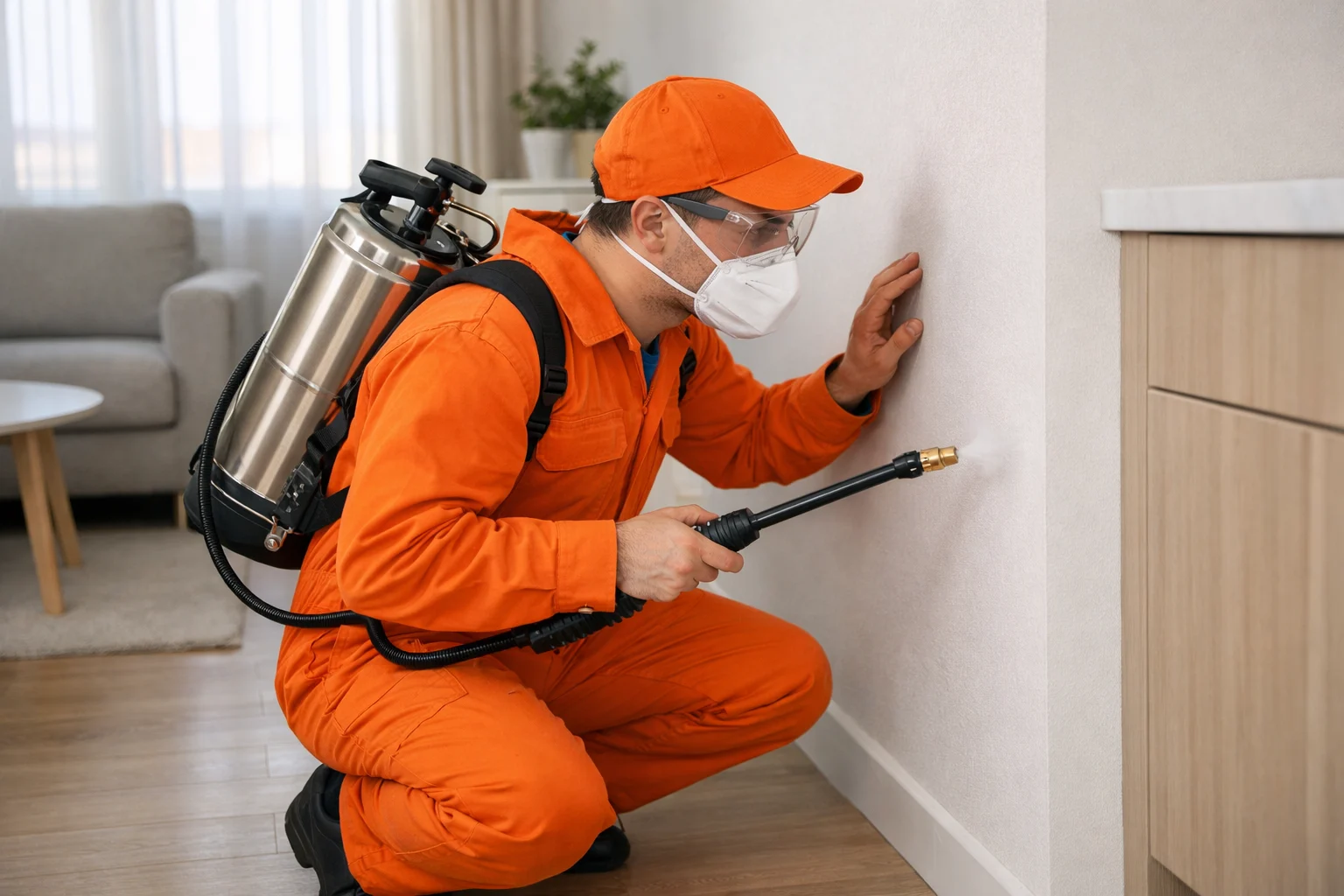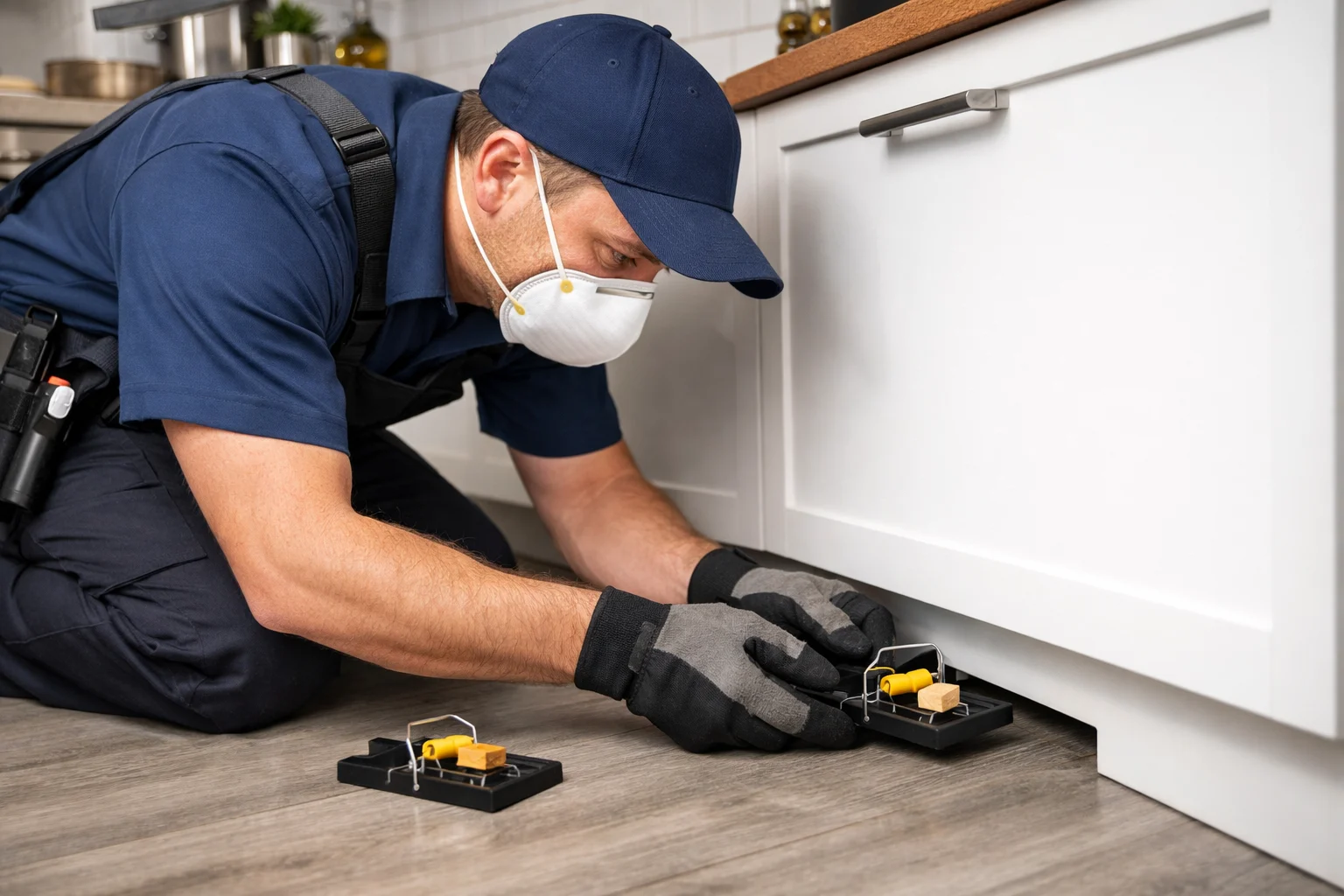
Living in Boston means dealing with old triple-deckers, basement apartments, and the occasional unwanted roommate of the six-legged variety. Whether you're renting in Southie, Allston, or Jamaica Plain, understanding who handles pest problems can save you serious headaches and cash.
Massachusetts has specific laws about pest control responsibilities that both landlords and tenants need to know. This guide breaks down everything you need to understand about keeping your rental property critter-free.
Who Pays for Pest Control in Boston Rentals?
The short answer? Usually the landlord. But it depends on the situation.
Under Massachusetts General Law Chapter 111, Section 127L, landlords must maintain properties free from rodent infestation. The state sanitary code requires landlords to provide habitable living conditions, which includes keeping pests out.
Property owners must handle infestations of:
- Rats and mice
- Cockroaches
- Bedbugs (in most cases)
- Termites
- Ants
However, if tenant behavior caused the problem, landlords can shift responsibility. Think garbage piling up or food left everywhere attracting roaches.
Understanding Massachusetts State Sanitary Code
The state sanitary code (105 CMR 410) sets minimum standards for rental housing. Regarding pest control responsibilities, it requires:
Landlords must keep common areas and building exteriors pest-free. This includes hallways, basements, and the building's structure itself.
Individual units must be delivered pest-free at lease start. If you move into an apartment already crawling with cockroaches, that's on the landlord.
Property owners must seal entry points. Holes around pipes, gaps in walls, and foundation cracks need fixing to prevent pest entry.
The code doesn't mess around. Violations can result in fines, required repairs, and potential rent withholding by tenants.
Boston Landlord Pest Control Responsibilities
Property owners in Boston face stricter requirements than many other Massachusetts cities. The Boston Inspectional Services Department enforces additional regulations.
Landlords must provide quarterly pest control in buildings with three or more units. This preventive approach helps catch problems early.
When tenants report infestations, landlords have five days to respond. Waiting weeks while bedbugs multiply won't fly with the city.
Documentation matters tremendously. Smart landlords keep records of all pest control treatments, tenant complaints, and inspection reports.
For professional help managing these responsibilities, services like pestcontrolboston.us offer comprehensive solutions for property owners throughout the Greater Boston area. They understand local regulations and provide the documentation landlords need to stay compliant. When dealing with the particularly tricky problem of bedbugs, specialized services like bedbugsboston.us can help landlords address infestations quickly and thoroughly, minimizing tenant complaints and potential legal issues.
When Tenants Must Pay for Pest Control
Tenants aren't always off the hook. You might be responsible when:
- Your actions caused the infestation. If inspection shows your housekeeping brought roaches, you're paying.
- You brought bedbugs from furniture. Dragging that free couch from the curb seemed smart until the bites started.
- You denied access for treatment. Landlords can't fix problems if you won't let exterminators in.
- Your lease specifically assigns certain pest control duties. Some leases require tenants to handle minor issues like fruit flies or ants.
However, landlords can't just stick pest control costs in the lease and walk away. Massachusetts courts have ruled that certain responsibilities can't be transferred to tenants regardless of lease language.
What About Bedbug Infestations?
Bedbugs deserve special attention because they're expensive nightmares that spread between units.
Massachusetts bedbug law (also under Chapter 111, Section 127L) creates specific rules. Landlords must pay for bedbug treatment in most situations.
Before moving in, landlords must disclose any bedbug history in the unit or building from the past year. Hiding this information can mean serious legal trouble.
Multi-unit buildings require special protocols. If bedbugs appear in one apartment, landlords should inspect adjacent units since these pests travel through walls.
Tenants must cooperate with treatment. This means extensive preparation like bagging clothes, moving furniture, and allowing multiple treatments.
The cost of bedbug elimination runs between $1,000 and $3,000 per unit in Boston. Most landlords can't bill tenants unless they prove tenant negligence caused the problem.
How to Report Pest Problems to Your Landlord
Documentation protects everyone. Follow these steps when you spot pests:
- Notify your landlord in writing immediately. Text messages count, but email creates better records.
- Take photos or videos of the pests and any damage. Courts love evidence.
- Note the date, time, and location of each sighting. This helps exterminators identify entry points.
- Keep copies of all communications. Screenshots, printed emails, everything.
If your landlord ignores the problem for more than five business days, contact Boston Inspectional Services at 311. They'll send an inspector who can order repairs.
Preventing Pest Problems in Rental Properties
Prevention beats treatment every time. Both landlords and tenants benefit from proactive measures.
Landlords should schedule regular inspections of basements, attics, and common areas. Catching problems early saves thousands.
Seal all exterior openings. Mice can squeeze through holes the size of a dime.
Maintain proper trash facilities. Overflowing dumpsters attract rats like Fenway attracts Sox fans.
Address moisture problems quickly. Water leaks create perfect conditions for roaches and other pests.
Tenants can help by keeping units clean, storing food properly, and reporting maintenance issues that could attract pests.
Legal Remedies for Unaddressed Pest Infestations
When landlords ignore pest control responsibilities, tenants have options.
- Rent withholding might be justified for serious infestations. Massachusetts law allows this, but follow proper procedures or risk eviction.
- Report to the Board of Health. Inspectors can issue violation notices requiring landlords to fix problems.
- Breaking the lease may be possible if conditions are uninhabitable. Document everything before taking this step.
- Small claims court can recover costs if you paid for treatment the landlord should have covered.
- Chapter 93A consumer protection claims can result in double or triple damages for particularly bad landlord behavior.
Boston Pest Control Costs and Expectations
Understanding typical costs helps everyone budget appropriately.
- One-time roach treatments run $150 to $300 for an apartment. Severe infestations cost more.
- Rodent control with trapping and exclusion costs $300 to $500 initially, plus monthly monitoring fees.
- Quarterly preventive pest control for multi-unit buildings averages $50 to $75 per unit monthly.
- Bedbug heat treatment reaches $1,500 to $3,000 per apartment depending on size.
These investments protect property values and keep tenants happy. Happy tenants renew leases, reducing costly turnover.
Special Considerations for Multi-Family Properties
Buildings with multiple units face unique challenges regarding pest control responsibilities.
Pests don't respect unit boundaries. One tenant's roach problem becomes everyone's problem fast.
Landlords should establish building-wide pest control programs rather than addressing units individually.
Lease agreements should clearly outline tenant cooperation requirements during building-wide treatments.
Common area maintenance becomes critical. Shared basements, laundry rooms, and trash areas need regular attention.
Tenant education helps too. New residents should receive information about preventing and reporting pest issues.
Frequently Asked Questions
Who is responsible for mice in a rental property in Massachusetts?
The landlord is responsible for mice and rodent control in Massachusetts rental properties. State sanitary code requires landlords to maintain rodent-free conditions and seal entry points. Tenants must pay only if their actions directly caused the infestation.
Can my landlord make me pay for pest control in Boston?
Your landlord can require payment only if you caused the infestation through negligence or improper housekeeping. Otherwise, pest control responsibilities fall to the property owner under Massachusetts law, regardless of lease language attempting to transfer this duty.
How quickly must landlords respond to pest complaints in Boston?
Boston landlords must respond to pest complaints within five business days. For serious health hazards like rat infestations, response should be immediate. Failure to respond allows tenants to contact inspectional services for enforcement.
Are landlords required to spray for bugs between tenants?
Massachusetts law doesn't specifically require spraying between tenants, but landlords must deliver units in pest-free, habitable condition. This typically means inspection and treatment if any pest evidence exists before new tenants move in.
Can I withhold rent for a cockroach infestation in my Boston apartment?
You may withhold rent for serious cockroach infestations making your apartment uninhabitable, but you must follow proper legal procedures. Notify your landlord in writing, allow reasonable time for repairs, and consider depositing rent in escrow to protect against eviction.
Dealing with Pests in Your Property?
Connect with licensed Greater Boston pest control professionals to handle your infestations correctly and compliantly.
Get a Free Inspection →