The recent death of Betsy Arakawa, wife of actor Gene Hackman, from hantavirus pulmonary syndrome in February 2025 has put a spotlight on this deadly virus. While hantavirus remains extremely rare in the Boston area, local health experts are emphasizing the importance of rodent control and prevention measures.
According to Dr. Zoe Weiss, director of microbiology at Tufts Medical Center, Massachusetts typically sees only 50 to 100 hantavirus cases nationwide each year. However, the recent cruise ship outbreak and high-profile cases have Massachusetts residents asking important questions about protection and prevention.
What is Hantavirus and How Does It Spread?
Hantavirus is a group of viruses carried by rodents, particularly mice and rats. The virus spreads through contact with infected rodent urine, droppings, and saliva. People typically become infected by breathing in dust particles contaminated with the virus after rodent waste is disturbed.
The Massachusetts Department of Public Health confirms that while no confirmed hantavirus pulmonary syndrome cases have been acquired locally, the risk exists whenever rodents are present. The virus can survive in dried droppings for weeks, making proper cleanup crucial.
Learning from the Gene Hackman Family Tragedy
The death of Betsy Arakawa from hantavirus pulmonary syndrome shocked many Americans. This tragic case highlights how quickly the virus can progress from flu-like symptoms to severe respiratory failure. The case gained national attention because it demonstrated that even careful, health-conscious individuals can be at risk when rodent infestations occur near homes.
Health officials note that the virus typically has a mortality rate of about 38 percent, making prevention absolutely critical. The Hackman family case serves as a reminder that professional rodent control is not just about comfort but about protecting your family's health.
Common Hantavirus Questions from Boston Residents
Boston area residents frequently wonder whether they need to worry about hantavirus given our urban environment. The truth is that both city and suburban homes can harbor infected rodents.
Many people ask whether the old triple-deckers common in neighborhoods like Dorchester, Jamaica Plain, and Somerville pose special risks. These older homes often have small gaps where rodents can enter, making regular inspection and sealing essential. If you live in one of these older homes, check out our guide on mice in Boston brownstones.
Residents cleaning out basements, attics, and storage areas after long winters are particularly at risk. This spring cleaning season, take extra precautions when dealing with areas where rodents may have been active during the cold months.
Essential Hantavirus Prevention Steps for Boston Homes
The best defense against hantavirus is keeping rodents out of your home entirely. Seal any gaps larger than a quarter inch using steel wool and caulk. Pay special attention to areas where utilities enter your home.
Store food in tight containers and clean up crumbs immediately. Remove outdoor food sources like fallen fruit, pet food, and bird seed that can attract rodents to your property.
If you find signs of rodent activity, never sweep or vacuum droppings. Instead, wear gloves and spray the area with disinfectant or a bleach solution. Let it soak for five minutes, then wipe up with paper towels.
Safe Rodent Cleanup for Hantavirus Prevention
When dealing with rodent droppings, proper cleanup prevents hantavirus exposure. Wear rubber gloves and avoid creating dust clouds. Spray contaminated areas thoroughly with disinfectant and wait five minutes before cleaning.
Open windows to ventilate the area, but leave the room for 30 minutes to let dust settle before beginning cleanup. This simple step can significantly reduce your risk of inhaling contaminated particles.
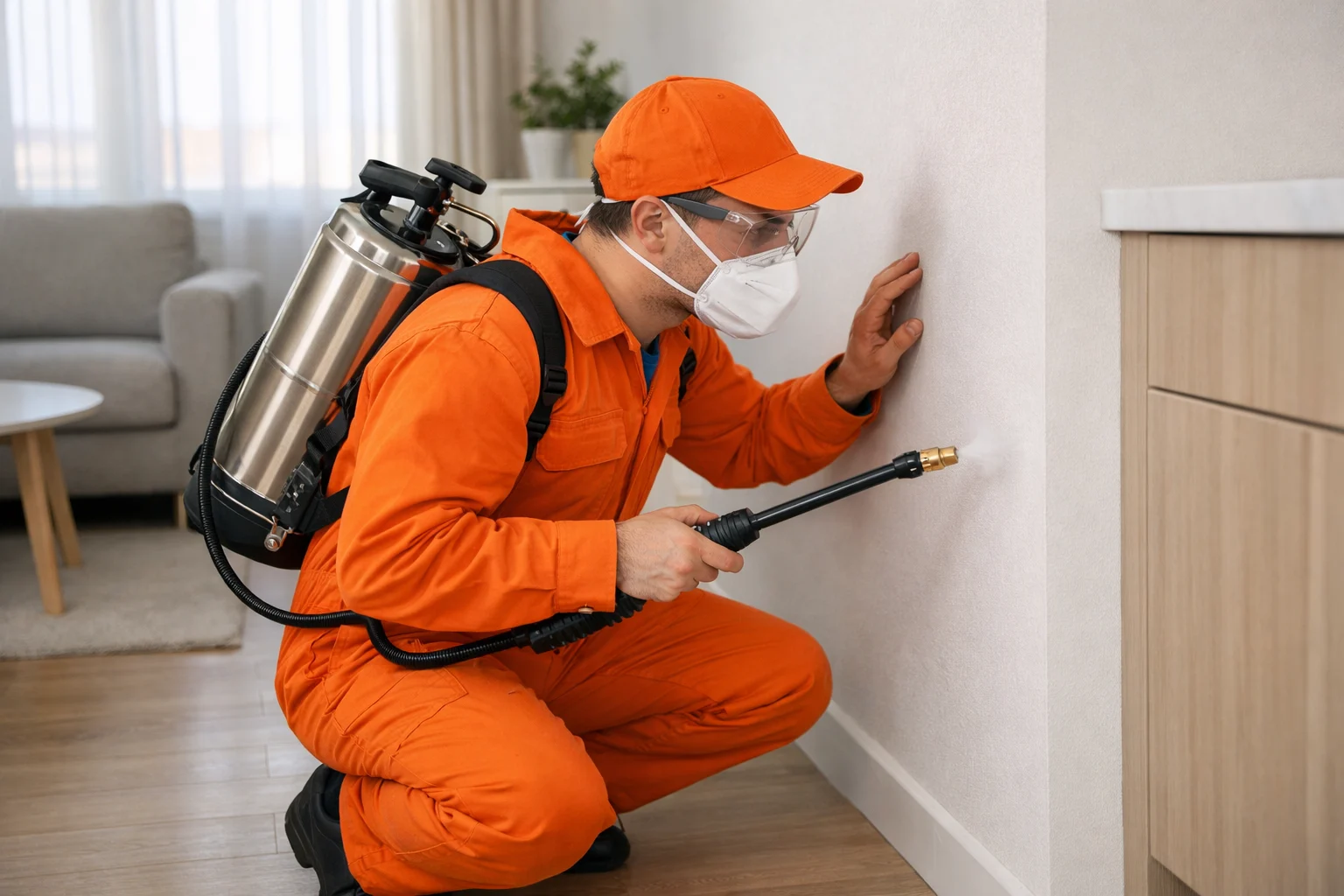
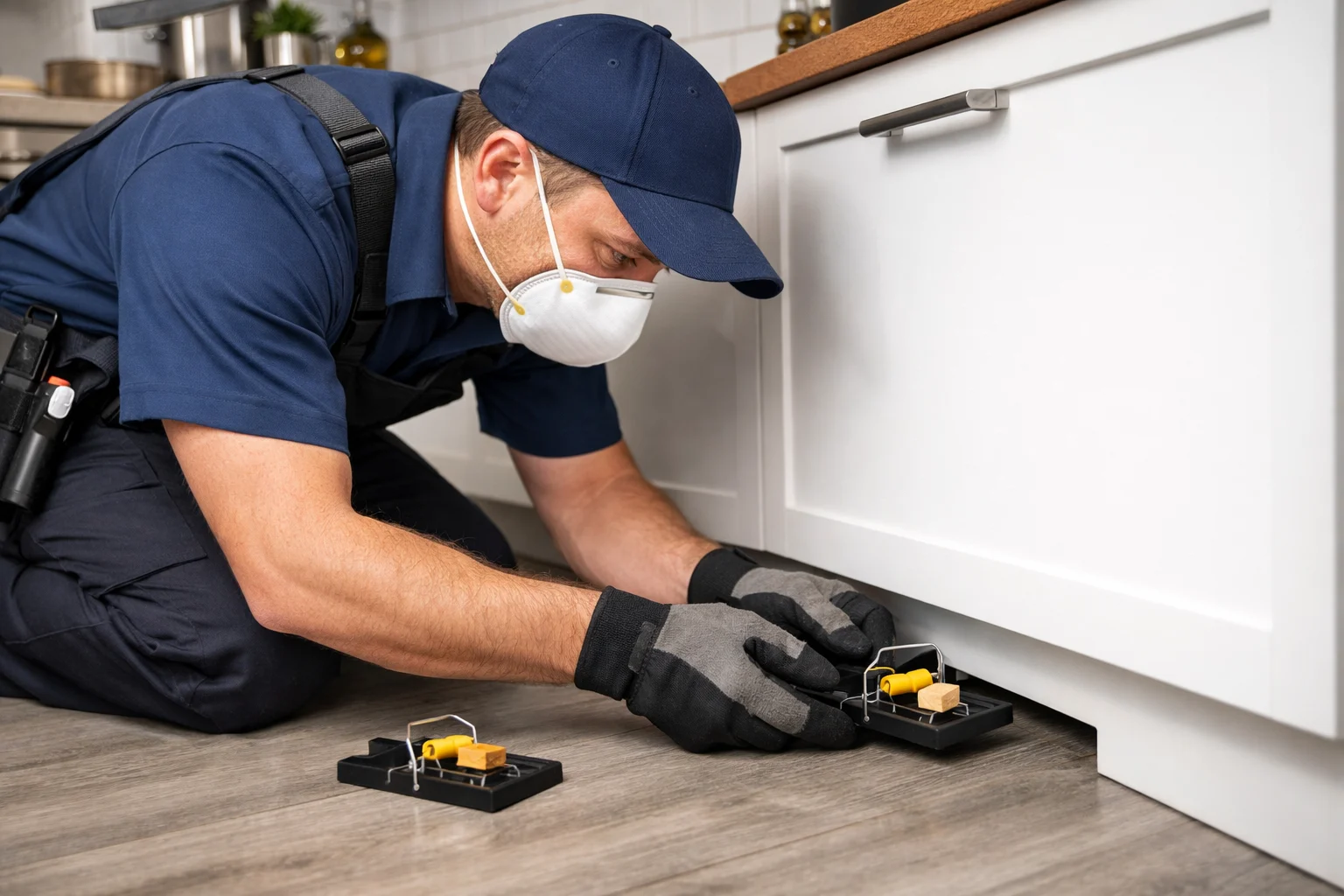
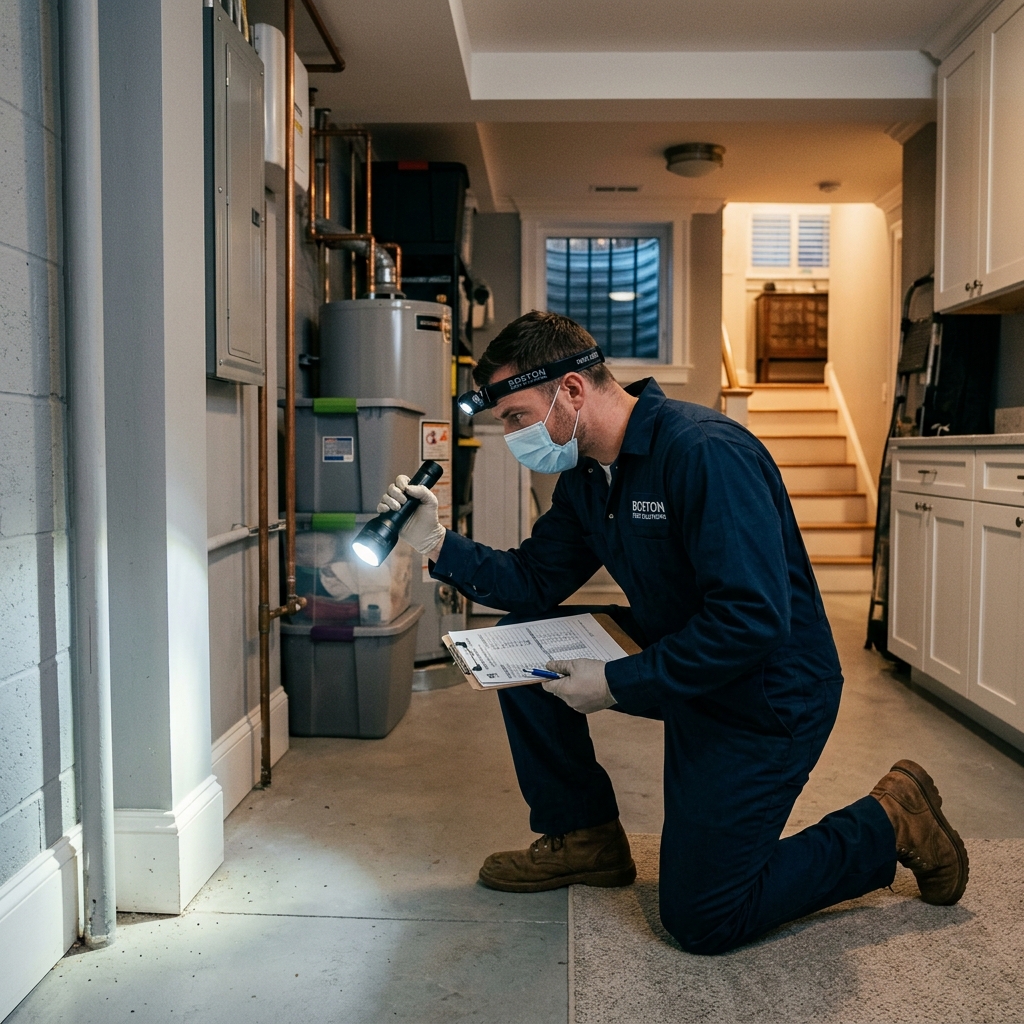
For severe infestations or recurring rodent problems, professional intervention becomes necessary. PestControlBoston.us provides comprehensive rodent control services throughout the greater Boston area, including thorough inspections, exclusion work, and ongoing monitoring. Their experienced technicians understand the unique challenges of Boston-area homes, from historic brownstones to modern condos, and can develop customized prevention plans that protect your family from rodent-borne diseases like hantavirus.
Recognizing Hantavirus Symptoms and When to Seek Help
Early hantavirus symptoms mirror the flu: fever, muscle aches, fatigue, and headaches. The danger comes when these progress to difficulty breathing and fluid in the lungs, typically within days of symptom onset.
If you have cleaned areas with rodent activity and develop flu-like symptoms followed by breathing problems, seek immediate medical attention. Tell your healthcare provider about possible rodent exposure, as early recognition can be life-saving.
Current Hantavirus Situation in Massachusetts
Massachusetts health officials continue monitoring the situation following recent cruise ship outbreak cases. While person-to-person transmission remains extremely rare, the Andes strain involved in the cruise outbreak can spread between people through prolonged close contact.
Tufts University researchers are actively studying Boston-area rats to understand local hantavirus strains. This ongoing research helps public health officials assess risk levels and prepare appropriate responses for our region.
Local health departments emphasize that while hantavirus risk exists, proper prevention measures are highly effective. Focus on rodent exclusion, safe cleanup practices, and professional pest control when needed.
When to Call Professional Rodent Control Services
If you discover multiple droppings, chew marks, or hear scratching in walls, professional help ensures safe removal and prevention. Pest control experts have proper equipment and training to handle contaminated areas safely.
Professional services also identify entry points you might miss and provide long-term prevention strategies. Given the serious health risks, investing in professional rodent control is a smart decision for protecting your family. Ready to get started? Get a FREE Inspection today.
Frequently Asked Questions About Hantavirus Prevention
Can hantavirus spread between people in Boston?
Generally no, but the Andes strain can spread through prolonged close contact. Most hantavirus infections come from rodent exposure, not person-to-person transmission.
How long does hantavirus survive in rodent droppings?
Hantavirus can survive in dried rodent waste for several weeks, especially in cool, dry conditions common in Boston basements and attics.
Do all mice and rats in Massachusetts carry hantavirus?
No, only certain species carry the virus. However, since you cannot determine this visually, treat all rodent waste as potentially dangerous and use proper safety precautions.
What should I do if I find mouse droppings in my Boston home?
Wear gloves, spray with disinfectant, wait five minutes, then clean with paper towels. Ventilate the area and consider professional pest control for ongoing problems.
Are there hantavirus vaccines available in Massachusetts?
No FDA-approved hantavirus vaccines exist in the United States. Prevention through rodent control remains the only effective protection method.
While hantavirus remains rare in the Boston area, the tragic case of Gene Hackman's wife reminds us that prevention is crucial. By maintaining rodent-free homes and using proper cleanup techniques, Massachusetts residents can protect themselves and their families from this serious health threat.
Take action today by inspecting your home for rodent entry points, storing food properly, and contacting professional pest control services if you discover signs of rodent activity. Your family's health is worth the investment in proper prevention.